Welcoming a baby into the world is a life-altering experience. It’s joyful, overwhelming, beautiful, and exhausting—often all at once. You spend those first few days staring in awe at the tiny human you helped bring into the world, wondering how something so small can already have such a big presence. But as the days go on, you realize one undeniable truth: babies don’t come with a user manual.
That’s where things get tricky. Your baby can’t speak, but they’re constantly trying to tell you something. They cry, flail, wrinkle their forehead, squirm in your arms, stare off into the distance, or suddenly smile at nothing in particular. Every movement, every sound, every pause in between—it all means something. And if you’re like most parents, you’ve probably asked yourself a dozen times a day: “What does that mean?”
The early months of parenthood often feel like a never-ending guessing game. Is my baby hungry? Are they tired? Do they need a diaper change? Are they overstimulated? In pain? Or do they just want to be held? When your baby cries at 2 AM for the third time in a night, it can feel like you’re lost in a sea of mystery with no compass in sight. That feeling is not only normal—it’s universal.
But here’s the thing: your baby is giving you clues. In fact, they’re constantly sending out signals that reflect what they’re feeling and what they need. These clues are known as baby cues—a kind of nonverbal language made up of cries, gestures, body movements, and facial expressions. And while it may seem confusing at first, learning how to decode these signals is not only possible—it’s one of the most empowering steps you can take as a parent.
Why Baby Cues Matter
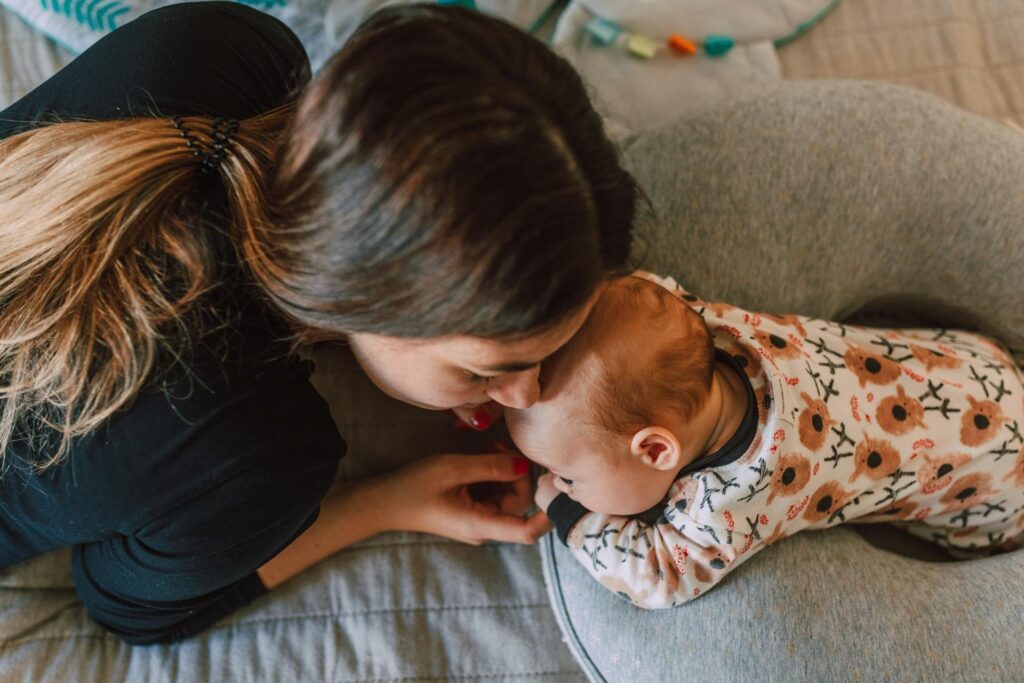
Understanding your baby’s cues isn’t just about convenience; it’s about connection. When you respond to your baby’s needs consistently and lovingly, you’re building the foundation for a secure attachment. Your baby learns that the world is a safe place, that their voice matters, and that they are loved unconditionally. This emotional security will shape their development in profound ways—from brain growth to social skills, and even future relationships.
And here’s the best part: decoding baby cues doesn’t require special skills or formal training. It’s something every parent can learn. With patience, observation, and trust in your instincts, you’ll soon notice how your baby communicates in consistent patterns.
The 5 Most Common Baby Cues and What They Mean
Let’s break it down into five common categories most babies use to communicate their needs.
1. Hunger Cues
Before your baby bursts into loud cries, they usually show earlier signs that they’re hungry. Picking up on these early signals can make feeding time smoother and less stressful for both of you.
Early Signs:
- Rooting (turning head toward the breast or bottle)
- Sucking on hands or fingers
- Lip smacking or tongue movements
- Restlessness or fussing
Mid to Late Signs:
- Frantic movements
- Crying with increasing intensity
- Sucking motions paired with distressed facial expressions
🔍 Tip: Try to feed your baby before they reach the crying stage. Feeding during early hunger cues helps create a more peaceful experience.
2. Tiredness Cues
Newborns and infants get tired quickly, and when they do, they’ll let you know—if you know what to look for.
Common Tired Signs:
- Yawning or rubbing eyes
- Staring off into space
- Jerky or slow movements
- Clenching fists or pulling at ears
- Fussiness or whining
Once a baby becomes overtired, it becomes harder for them to settle down and fall asleep. That’s why catching these signals early is key.
3. Discomfort or Pain Cues
Sometimes your baby isn’t hungry or tired—they’re simply uncomfortable. Whether it’s gas, a wet diaper, or tight clothing, babies will let you know when something doesn’t feel right.
Look for:
- Arching the back
- Drawing knees up to the chest
- Grimacing or frowning
- Clenched fists
- High-pitched, urgent cries
🎯 Try This: Check their diaper, remove tight clothing, burp them, or gently rub their belly. You’ll often see relief pretty quickly when you’ve solved the issue.
4. Overstimulation Cues
Babies, especially newborns, can only handle so much stimulation at once. Too many lights, sounds, or people can overwhelm their sensitive nervous systems.
Signs of Overstimulation:
- Turning head away from noise or light
- Squirming or flailing arms
- Whimpering or crying suddenly
- Spreading fingers wide (like a startle reflex)
- Becoming stiff or rigid
In these cases, the best remedy is calm. Hold them close, dim the lights, reduce background noise, and offer comfort with a quiet voice or lullaby.
5. Affection and Interaction Cues
Not all cues signal a problem. Sometimes, your baby is simply inviting you to connect.
Affectionate Signals Include:
- Making eye contact
- Smiling or cooing
- Reaching out or turning toward your voice
- Calm, relaxed body movements
When you respond to these cues with warmth and attention, you’re building a strong emotional bond—and reinforcing their desire to connect with the world.
What Different Baby Cries Really Mean
Yes, there are different types of cries. And over time, you’ll become a pro at distinguishing them. Here’s a quick breakdown of common cry types:
1. The Hunger Cry
Usually rhythmic, repetitive, and low-pitched. Often accompanied by rooting or hand-sucking.
2. The Sleepy Cry
Whiny and low-energy. May rise and fall in intensity. Often paired with yawning or rubbing eyes.
3. The Pain Cry
Sharp, loud, and urgent. May start suddenly and be hard to calm.
4. The Boredom Cry
Starts as a mild fuss and gradually increases if not addressed. Stops quickly when baby is engaged.
5. The “I Just Need You” Cry
Soft, insistent, and often stops when you pick the baby up or talk to them.
How to Respond to Baby Cues Effectively
Now that you’re learning to recognize these cues, the next step is responding with intention.
✅ Observe first. Take a second before reacting. Sometimes watching for a few moments helps you better understand what your baby needs.
✅ Stay calm. Your baby feeds off your energy. A calm parent is more soothing than a frantic one.
✅ Try one solution at a time. Feed, check the diaper, rock, burp—slowly go through your checklist.
✅ Practice responsive parenting. The more you meet their needs with care, the more confident you’ll both feel.
The Power of Patience and Connection
You won’t get it right every time—and that’s okay. Learning your baby’s language is a journey. Sometimes, even after you’ve done everything “right,” your baby may still cry. That doesn’t mean you’re failing. It just means you’re human—and so is your baby.
What matters most is that you keep showing up, keep paying attention, and keep offering comfort. With time, your bond will grow stronger, your instincts sharper, and your baby will thrive knowing their caregiver understands them.
Your baby may not have words yet, but they are speaking to you every day—in movements, sounds, and subtle expressions. Learning to read these baby cues is one of the most beautiful parts of early parenting. It’s how trust is built. It’s how love deepens. And it’s how you become the expert on the little person you brought into the world.
So breathe, observe, and tune in. You’re already doing better than you think—and your baby knows it.
The written content on this page was generated by ChatGPT.