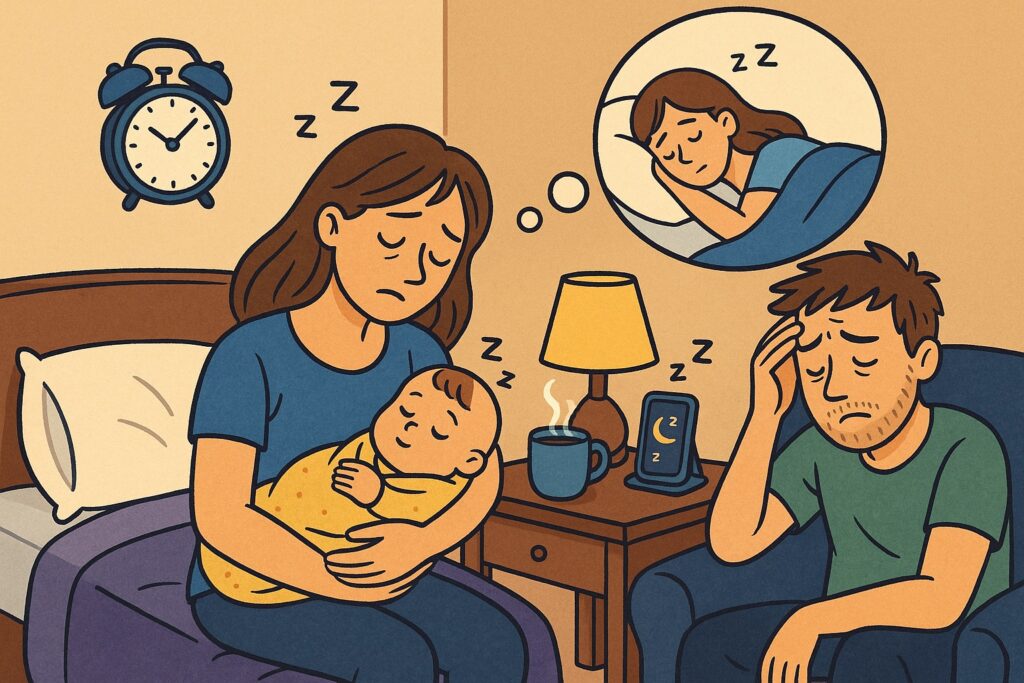
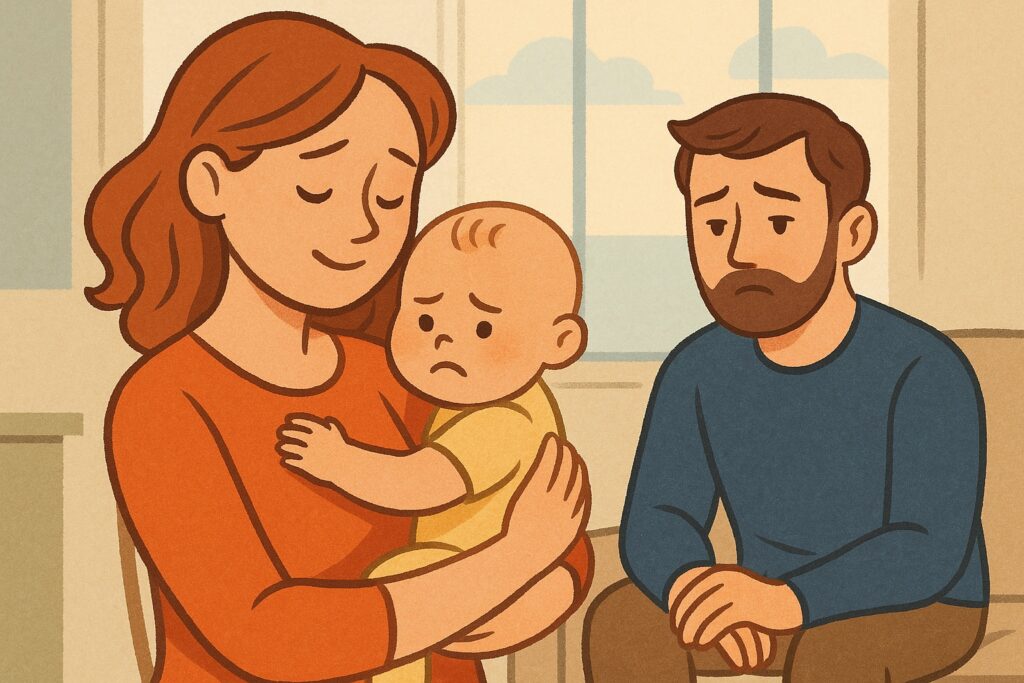
It happens quietly, often in the middle of an ordinary day. You reach out to hold your baby, but those tiny arms stretch right past you—straight for Mom. Maybe it’s during bedtime, or when you’re trying to soothe their tears after a long cry. And no matter how hard you try, it feels like your baby just doesn’t want you.
If you’re a dad going through this, you’re far from alone. Many fathers experience that quiet sting of feeling unnecessary, even though their hearts are fully in it. It’s not rejection. It’s not failure. What you’re seeing is a completely normal part of how babies develop attachment—and there’s plenty you can do to bridge that gap.
Why Babies Often Gravitate Toward Mom
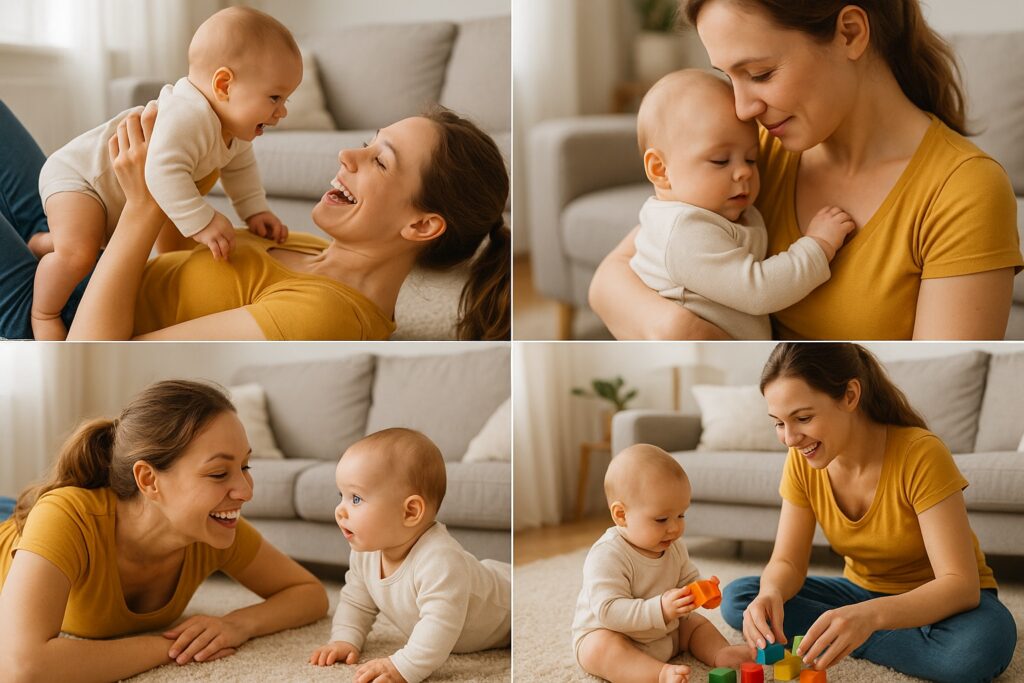
In the early months, babies rely heavily on familiarity. They recognize scents, voices, and rhythms long before they understand faces or words. For most newborns, Mom’s heartbeat and scent are their earliest comforts. If she’s the one doing the majority of feeding, rocking, or soothing, your baby’s brain begins linking her presence with safety.
This isn’t a reflection of how much love your baby has for you—it’s simply how they’re wired to feel secure. Babies don’t form emotional preferences like adults do. They react to what’s familiar and soothing. As they grow, that sense of comfort expands—and this is exactly where your presence begins to matter more than ever.
Step One: Don’t Let It Hurt Your Confidence
It’s natural to feel left out when your baby won’t settle with you or cries harder when you try. Every instinct tells you to pull back, to stop trying. But your baby isn’t rejecting you. They’re communicating in the only way they can—seeking what feels safest at the moment.
The best thing you can do is stay consistent. Keep showing up. Even when your baby cries, even when they squirm, even when it feels thankless. Babies sense steadiness, and over time, they’ll learn that your arms are just as safe as Mom’s.
Your calm, patient energy will speak louder than anything else.
Step Two: Carve Out “Dad Time” Every Day
One of the most powerful ways to build connection is through small, repetitive moments that belong only to you. It doesn’t need to be complicated or long—just consistent.
Try creating little rituals around daily care:
- You could be the one who gives the evening bath—a chance for soft laughter and gentle splashing.
- Take short morning walks with the stroller before work.
- Try babywearing while reading or listening to soft music.
- Turn diaper changes into tiny moments of play and chatter.
Even brief, predictable interactions help your baby form new associations. Your voice, your smell, your rhythm—they all become familiar cues of safety. That’s how real attachment begins: in repetition, not grand gestures.
Step Three: Team Up, Don’t Compete
Sometimes Mom becomes the “default parent” by habit, especially when the baby reacts more calmly to her. That can unintentionally reinforce the pattern. The trick isn’t to take over, but to work together.
Start small. Have Mom stay close by while you take over a soothing routine—perhaps rocking or feeding from a bottle. Gradually, as your baby adjusts, she can step out of the room for longer stretches. This slow, cooperative handoff helps your baby realize that comfort doesn’t vanish when Mom’s not in sight—it simply shifts.
This approach also eases the pressure for both of you. Parenting works best as a shared rhythm, not a tug-of-war.
Step Four: Embrace Your Unique Bond
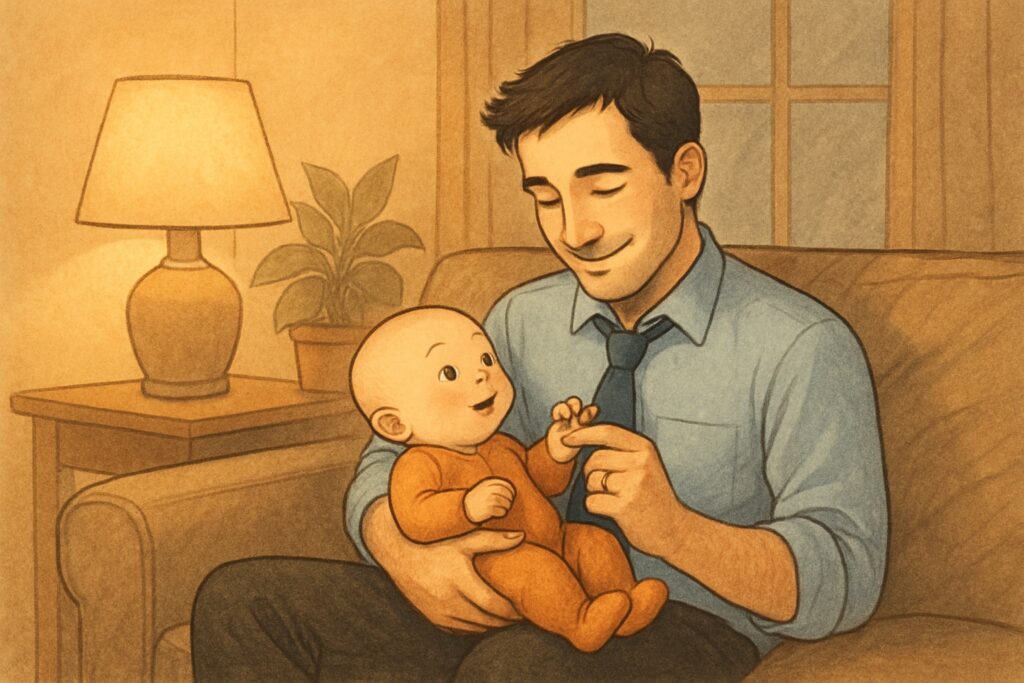
Dads often connect through playfulness, movement, and laughter. While Mom may be the go-to for comfort, dads tend to introduce a sense of adventure and curiosity.
As your baby grows, you’ll notice the shift. You’ll become the one they turn to for games, for silly sounds, for confidence when exploring something new. Babies look to their fathers for cues about safety and the world beyond their comfort zone.
So, don’t measure your connection against Mom’s. Yours is just as vital—just different in its texture.
Step Five: Be Honest About How You Feel
Many dads silently swallow their frustration, telling themselves it’s no big deal. But those quiet feelings can build up. It’s okay to admit that it hurts, or that you feel unnecessary sometimes. Sharing those emotions with your partner opens space for understanding and teamwork.
It’s also a reminder: you don’t need to be perfect to be loved by your child. What matters most is that you’re present, patient, and willing. Babies remember consistency long before they remember faces.
Step Six: If It Feels Extreme, Don’t Ignore It
Occasionally, a baby’s intense distress around one parent might point to something beyond normal attachment behavior—especially if they consistently avoid eye contact, resist touch, or show extreme anxiety. In that case, talk to your pediatrician. Sometimes, subtle developmental or sensory factors are at play, and early guidance can help both parent and child thrive.
For most families, though, this phase passes naturally. One day, often without fanfare, your baby will crawl toward you, arms open, choosing your comfort without hesitation.
Love Isn’t Measured in Moments—it’s Built Over Time
Babies change faster than we realize. The same child who clings to Mom today may be the one shouting “Daddy!” from across the room tomorrow. What matters most is not who they reach for in the moment, but who they learn they can rely on.
Keep being the steady presence in the background, the warm pair of arms always ready, the calm voice that never disappears. These little things—your patience, your constancy—are what shape your child’s lifelong understanding of love.
Dad, your bond isn’t secondary. It’s simply unfolding on its own beautiful timeline.
The written content on this page was generated by ChatGPT.