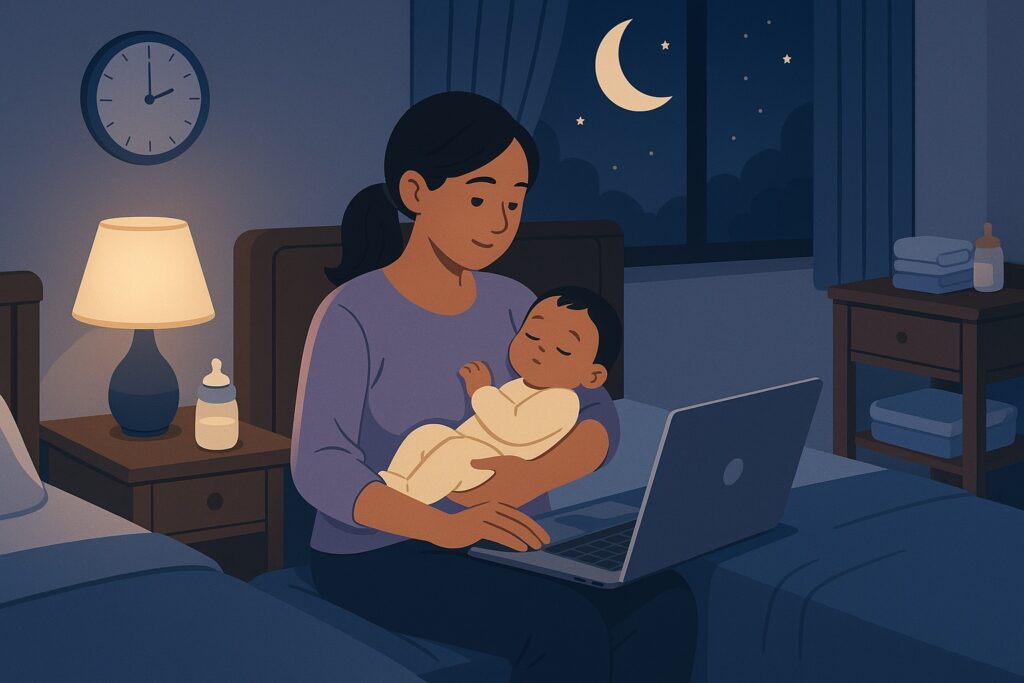
There’s something magical about bringing your baby home for the first time. That quiet ride from the hospital, the tiny noises coming from the back seat, and the way your front door suddenly feels like the entrance to a whole new life. As you and your baby begin to settle into this new rhythm, one thing becomes clear: rest and recovery are hard to come by when people keep showing up to meet your little one.
Whether it’s close family or well-meaning friends, managing visitors after childbirth can be unexpectedly stressful. The exhaustion is real, your baby’s needs are constant, and your own well-being has to be protected.
If you’ve been wondering how to balance gracious hosting with setting firm boundaries, this guide will walk you through strategies that are respectful, practical, and centered on what truly matters—your baby and your health.
Let People Know What to Expect Before Baby Arrives
The best time to set boundaries is before you need them. If you’re still pregnant and preparing for the baby’s arrival, now is the perfect moment to gently lay the groundwork with loved ones.
Consider sharing a simple message with your circle:
“We’re looking forward to baby’s arrival and plan to take a little quiet time to adjust once we’re home. We’ll reach out when we’re ready for visitors!”
A message like that doesn’t come off as cold—it communicates your intentions early, giving others time to adjust their expectations before emotions are involved.
Decide What Type of Visits Work Best for You
You don’t have to accept every visit. In fact, you’re allowed to decline them altogether if that’s what your recovery requires.
Maybe you prefer short visits with close family only, or perhaps you’re comfortable having one or two close friends over in the afternoon. There’s no rulebook here—it’s about what feels manageable for you.
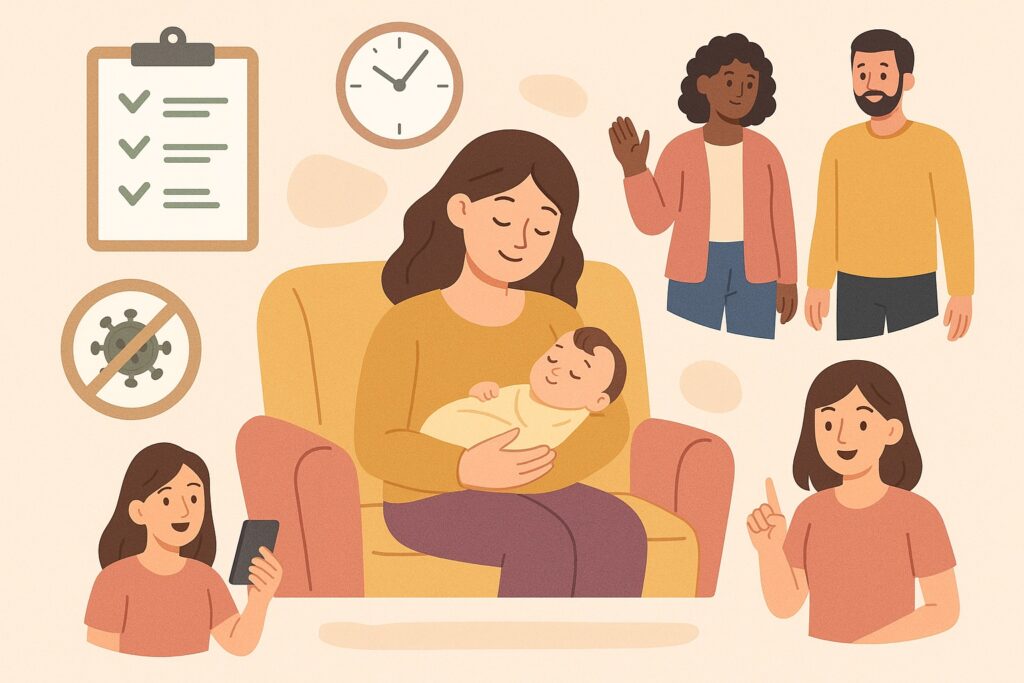
Some new parents even create a brief “visiting schedule” to keep things orderly. For example, only allowing guests on weekends between 2 p.m. and 5 p.m. gives you predictability and breathing room.
Be Honest About How Long Visits Should Last
It might feel awkward to limit the length of a visit, but most people will appreciate knowing how much time they have.
When someone asks to drop by, try responding with:
“We’d love to see you! A short visit works best right now—maybe around 30 minutes or so, since baby is still getting used to everything.”
This keeps the visit intentional and brief without sounding dismissive.
Postpartum Isn’t the Time to Entertain
Don’t feel obligated to clean the house, prepare snacks, or play host. That pressure can quickly turn a supportive visit into an exhausting performance.
If someone offers to come over, be honest about what they’re walking into:
“We’re thrilled for you to meet the baby, but just a heads-up—our place is messy, and we’re running on zero sleep!”
If they still want to come, they’re coming to support you, not judge your home.
Use Humor to Communicate Boundaries
Sometimes a little levity goes a long way. A funny sign on the front door—something like, “Shhh! Baby sleeping, parents surviving. Text instead of knocking!”—can make people smile while still setting clear expectations.
This kind of passive boundary works especially well when you’re too tired to explain yourself for the fifteenth time that day.
Don’t Shy Away From Saying ‘Not Yet’
You’re allowed to decline visits—or delay them. Especially in the first week or two, rest and healing are your priorities. If someone reaches out and the timing feels wrong, it’s okay to say:
“We’re taking some quiet time to settle in, but we’ll reach out soon when we’re up for a visit.”
There’s no need to justify it. People who’ve been through those early newborn days will understand, and those who haven’t will learn.
Ask for Help—Or Accept It Gratefully
If someone says, “Let me know if I can do anything,” don’t brush it off. That offer might be your golden ticket to a hot meal, folded laundry, or a few minutes to yourself.
You could respond with:
“Actually, if you’re stopping by, we’d love if you could grab a few groceries or bring something easy for dinner.”
Small gestures like these make a big difference—and many people are genuinely happy to help, especially when you give them something concrete to do.
Be Clear About Baby-Handling Rules
Not everyone will automatically know your comfort level when it comes to holding the baby. If you’re concerned about overstimulation or germs, don’t be afraid to speak up.
Set the tone at the start of a visit with something like:
“We’re trying to limit how much she’s being passed around for now, but feel free to take lots of pictures!”
Or simply ask guests to wash their hands or use sanitizer. It may feel awkward, but your baby’s safety comes first.
Keep a Close Eye on Overstimulation
Newborns can get overwhelmed by too much interaction, even if the energy is positive. Some babies may cry more, sleep less, or seem unsettled after a day of visitors. If you notice these signs, it may be time to slow things down.
Limiting visits to one person at a time—or taking a few days off from guests entirely—can help restore calm for both you and your baby.
Protect Your Peace Without Apology
Above all, trust your instincts. You don’t owe anyone access to your home, your time, or your baby. You’ve just gone through a massive life change, and your physical and emotional well-being deserve care and protection.
If something doesn’t feel right—say no. If you need quiet—create it. If you’re not ready—wait.
This is your experience, your baby, and your recovery. It’s not selfish to protect that. It’s wise.
Visitors Can Wait, But Your Well-Being Can’t
Welcoming a baby into the world is one of life’s biggest transitions. It’s full of learning curves, unpredictable emotions, and moments of awe. While many friends and family members will want to share in the joy, don’t lose sight of what you need most in this moment: rest, connection, and a calm environment.
Managing visitors isn’t about pushing people away—it’s about making room for what matters. With a little planning, honest communication, and the confidence to put yourself first, you’ll create a space that nurtures both you and your baby as you begin this extraordinary new chapter.
The written content on this page was generated by ChatGPT.