Welcoming a new baby is undoubtedly a joyous event that brings excitement and warmth to any family. Yet, this exciting transition can also stir up complex and sometimes difficult emotions among older siblings. Adjusting to the presence of a new family member means shifts in attention, routines, and roles, which can be confusing for young children. The way parents support their older kids during this period can significantly influence how well everyone settles into their new family dynamic. What follows is a thorough exploration of effective strategies to help siblings embrace their new baby brother or sister with openness, love, and understanding.
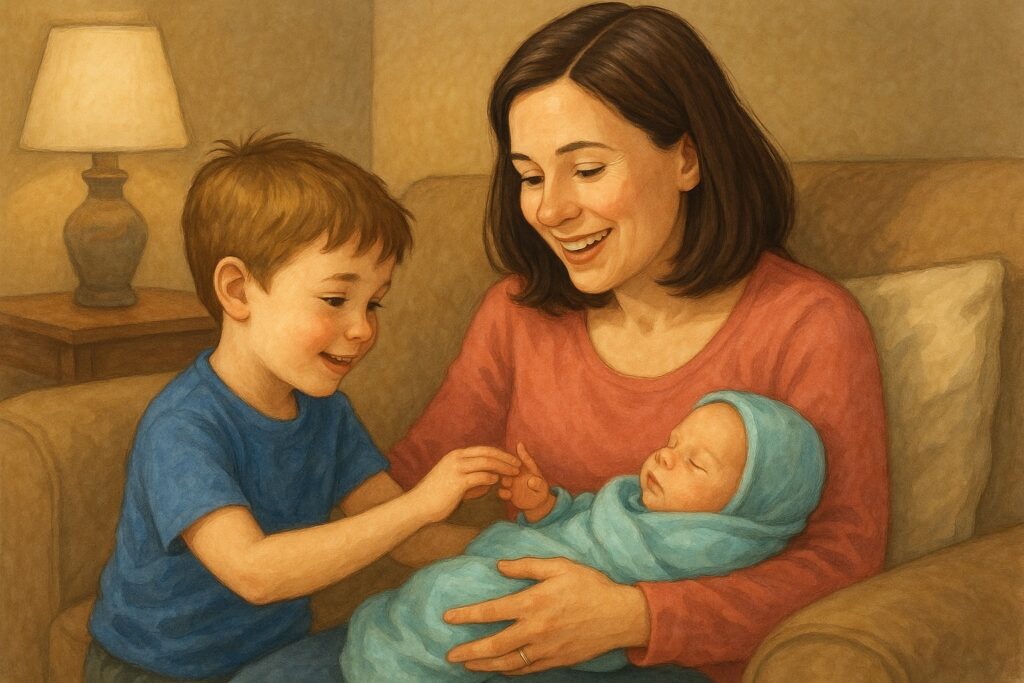
Recognizing the Emotional Landscape of Older Siblings
Bringing a baby into the family is a massive adjustment for older children as well. Their emotions often blend excitement and curiosity with uncertainty, jealousy, or even feelings of insecurity. These are completely natural responses to a profound change in their world. Acknowledging these feelings openly can lessen their intensity. When children feel understood and accepted, they are more likely to voice their emotions in constructive ways, rather than acting out or withdrawing. Parents can encourage this expression by validating feelings with statements like, “It’s okay to sometimes feel unsure about the new baby. You are still very important to me.”
Preparing Older Children Before Baby’s Arrival
The adjustment starts best even before the newborn arrives. When older siblings are introduced to the idea of a new baby gradually and positively, they develop a sense of anticipation rather than surprise or anxiety. Parents can read books together about welcoming new siblings, talk about what a baby needs, and involve children in preparations like selecting clothes or setting up the nursery. This preparation creates a shared sense of belonging and purpose, establishing the older child as an essential part of the new family chapter.
Maintaining Individual Attention
One of the biggest challenges after a baby arrives is ensuring that older siblings still receive ample affection and attention. Even small amounts of dedicated one-on-one time can help children feel secure and valued. This could be as simple as reading a favorite story before bed, a special walk around the park, or a quiet time playing a game together. These moments, free from distractions, send a powerful message: their relationship with parents is just as important as ever.
Encouraging Active Roles for Siblings
Older siblings often adapt better when they feel they have a meaningful role in caring for the baby. Simple tasks such as fetching diapers, choosing a toy, or helping during feeding time provide opportunities for connection and responsibility. Praising these efforts reinforces their importance and builds confidence in their new role as a big brother or sister. When children are included in baby care, they shift from feeling sidelined to feeling empowered and proud.
Keeping Routines Familiar and Providing Personal Space
During such transitions, preserving certain routines offers older siblings a sense of stability. Meal times, playtimes, and bedtime routines should remain as consistent as possible. Providing a personal space — a special corner or room just for them — where they can retreat and be themselves also supports their emotional well-being. This physical and emotional boundary respects their individuality beyond their role as an older sibling.
Patience with Behavioral Changes
It’s common for older children to express their emotions through behaviors such as clinginess, regression, or occasional tantrums after a baby arrives. Rather than reacting with frustration, parents benefit from patience and empathy. Understanding these behaviors as attempts to communicate feelings or seek reassurance allows for a gentler and more effective response, fostering a nurturing environment that encourages emotional growth.
Building a Support Network Around Siblings
Expanding the circle of support beyond parents to include other caregivers, relatives, and close family friends enriches the sibling’s adjustment process. When grandparents, aunts, uncles, or trusted friends invest time and affection in the older child, it reinforces that they remain loved and celebrated. Encouraging positive interactions also helps distribute attention in a way that prevents feelings of neglect.
Celebrating the New Sibling Bond
Over time, nurturing moments of kindness, cooperation, and fun between siblings builds an affectionate relationship that lasts a lifetime. Celebrating small achievements, like the older sibling gently soothing the baby or sharing toys, creates positive reinforcement. Establishing special traditions that honor the sibling connection, such as sibling storytime or shared outings, also deepens their bond.
Helping older children adjust to a new baby is as much about honoring their feelings and identity as it is about welcoming a new life. Families that approach this transition with empathy, preparation, and consistent love enable siblings to forge strong connections and find joy in their evolving roles. With patience and intention, what begins as a period of adjustment blossoming into a lifelong friendship full of affection and mutual respect.
This approach emphasizes emotional validation, inclusion, and routine stability — key ingredients that help siblings navigate the arrival of a new family member with resilience and warmth.
The written content on this page was generated by perplexity.ai.