As a parent, keeping your baby clean and healthy is one of your top priorities. Babies have delicate skin and developing immune systems, making proper hygiene essential for their well-being. From bathing and diaper changes to oral care and environmental cleanliness, every little step contributes to their overall health. But with so much advice available, how do you know what’s truly best for your baby? This guide will walk you through essential baby hygiene practices to help you create a safe and nurturing environment for your little one.
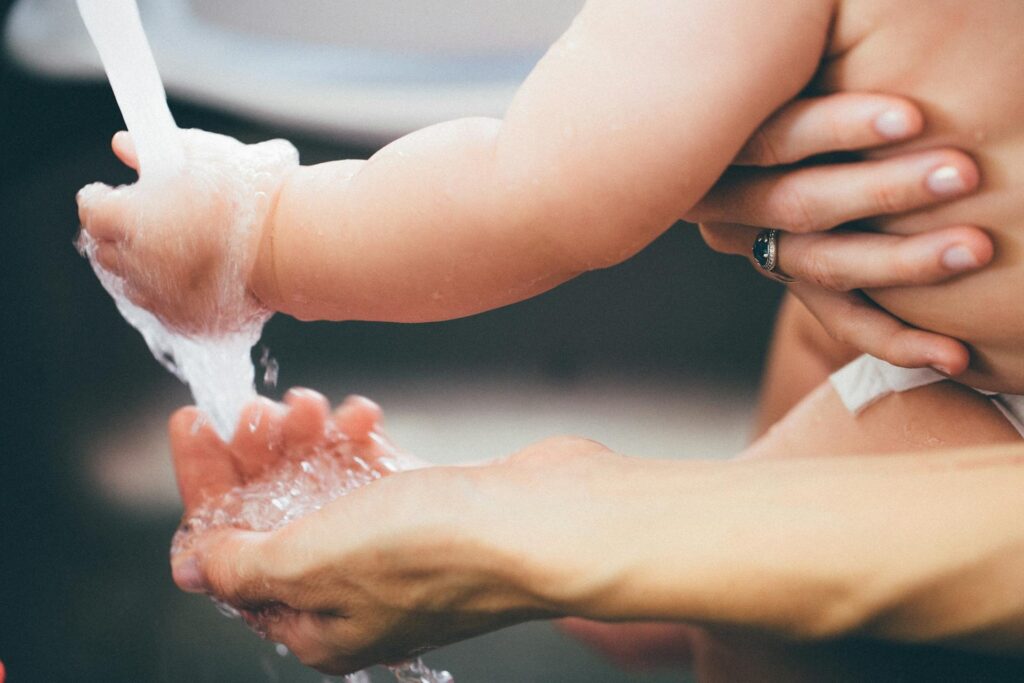
1. Bathing Your Baby the Right Way
Bathing is more than just keeping your baby clean—it’s also an opportunity for bonding and relaxation. However, newborns don’t require daily baths, and excessive washing can strip their skin of natural oils.
How Often Should You Bathe Your Baby?
Newborns do not need daily baths. Two to three times a week is sufficient, as excessive bathing can dry out their sensitive skin. However, regular sponge baths and cleaning specific areas like the face, hands, and diaper area daily are important.
Best Practices for Baby Bath Time
- Use lukewarm water (about 100°F or 37°C) to avoid burns or chills.
- Choose a mild, fragrance-free baby soap to prevent skin irritation.
- Support your baby’s head and neck properly when washing.
- Gently clean folds and creases in the skin where dirt and moisture accumulate.
- Dry your baby thoroughly, especially in skin creases, to prevent rashes.
- Apply a mild, baby-safe moisturizer to keep their skin hydrated.
2. Keeping the Diaper Area Clean and Rash-Free
Babies go through several diapers a day, and improper diaper hygiene can lead to irritation and rashes. Ensuring a clean and dry diaper area is crucial for your baby’s comfort and skin health.
Diaper Changing Basics
Changing your baby’s diaper frequently is crucial in maintaining hygiene and preventing rashes. Here’s how to do it right:
- Change diapers every 2-3 hours or immediately after soiling.
- Use fragrance-free, alcohol-free wipes or warm water with a soft cloth.
- Allow the diaper area to air dry before putting on a fresh diaper.
- Apply a diaper cream with zinc oxide to prevent diaper rash.
- Choose breathable, hypoallergenic diapers to minimize irritation.
3. Proper Hand and Face Cleaning
Babies love to explore the world with their hands and mouths, making hand and face hygiene an important daily routine.
Hand Hygiene
Babies constantly put their hands in their mouths, so keeping them clean is important.
- Wash your baby’s hands with mild soap and water before feeding and after diaper changes.
- Use a damp, clean cloth to wipe their hands when soap and water are not available.
- Keep your own hands clean before handling your baby to avoid transferring germs.
Face and Eye Care
- Use a soft, damp cloth to clean your baby’s face daily.
- Wipe their eyes gently with a clean cotton pad soaked in warm water, using a separate pad for each eye.
- Keep baby’s nose clear by using a saline solution and a soft tissue to remove mucus.
4. Nail and Hair Hygiene
Babies’ nails grow quickly and can become sharp, leading to accidental scratches. Regular trimming and gentle scalp care help maintain overall hygiene.
Trimming Your Baby’s Nails
Babies’ nails grow fast and can become sharp, causing them to scratch themselves.
- Trim nails once a week using baby nail clippers or a soft nail file.
- Do it while your baby is sleeping or after a bath when the nails are softer.
- Use rounded-edge clippers to prevent accidental cuts.
Caring for Your Baby’s Hair and Scalp
- Wash your baby’s hair 1-2 times per week with a gentle baby shampoo.
- If your baby has cradle cap, use a soft brush to loosen flakes and apply a small amount of baby oil before shampooing.
5. Oral Hygiene for Babies
Even before your baby has teeth, oral hygiene is important.
- Wipe their gums with a soft, damp cloth after feedings.
- Once teeth emerge, use a soft-bristled toothbrush with water (no toothpaste until age one).
- Avoid putting your baby to sleep with a bottle to prevent tooth decay.
6. Keeping Baby’s Clothes and Bedding Clean
Washing Baby Clothes Safely
- Use fragrance-free, hypoallergenic detergent.
- Wash new clothes before the first wear to remove irritants.
- Separate baby’s laundry from the rest of the household to avoid cross-contamination.
Bedding and Toys
- Change crib sheets at least once a week or immediately after spills.
- Wash soft toys regularly, especially those frequently chewed or touched.
- Sterilize pacifiers and teething toys regularly using boiling water or a sterilizer.
7. Ensuring a Clean Environment
Keeping your baby’s surroundings clean is just as important as personal hygiene.
- Regularly disinfect surfaces like changing tables, high chairs, and play areas.
- Keep pets away from baby’s sleeping and eating areas.
- Ensure proper air circulation to maintain a fresh, clean environment.
Following these baby hygiene practices will help keep your little one clean, comfortable, and healthy. While maintaining cleanliness is essential, avoid over-sanitizing, as mild exposure to germs can help build their immune system. By following these best practices, you can ensure your baby thrives in a safe and hygienic environment.
The written content on this page was generated by ChatGPT.