Tag: baby care tips

Coping with Guilt as a New Parent: You’re Not Doing It Wrong

There’s a moment after you bring your baby home when the excitement fades and the silence of the house feels heavier than you expected. You look at this tiny person in your arms, and instead of pure joy, you feel… guilt. Guilt that you’re not doing enough, not feeling what you thought you’d feel, or not getting it “right.”

It’s something almost every new parent goes through but rarely talks about out loud. That nagging feeling that maybe you should be happier, calmer, more patient, more prepared — anything but this uncertain version of yourself trying to figure things out one diaper at a time.

If this sounds familiar, take a breath. You’re not broken. You’re not failing. You’re simply human, navigating one of life’s biggest transitions while trying to meet impossible standards. And you are absolutely not doing it wrong.

Coping with Guilt as a New Parent: You’re Not Doing It Wrong

Why Guilt Finds Its Way Into Parenthood

Parental guilt doesn’t arrive all at once. It builds slowly, creeping in between sleepless nights and the endless comparisons we make — especially in the age of social media. It’s easy to scroll through your feed and see other parents who seem to have it all together: smiling babies, spotless nurseries, and cheerful captions about how “blessed” they feel.

But what you don’t see are the messy moments behind those pictures — the tears, the doubts, the exhaustion. Everyone struggles, even the ones who look like they’re thriving.

For many, guilt begins with small thoughts:

  • “Why can’t I breastfeed as easily as others?”
  • “Am I ruining my baby’s routine by working full-time?”
  • “Should I feel happier right now?”
  • “Do other parents ever lose their patience like I do?”

These thoughts multiply until guilt starts to feel like a permanent companion. Understanding why it happens is the first step to loosening its grip.


The False Ideal of the “Perfect Parent”

Somewhere along the way, we were sold the idea that good parents are superhuman — people who never raise their voices, always know what to do, and somehow keep their lives perfectly organized. That image is not just unrealistic; it’s harmful.

Babies don’t need perfect parents. They need present ones. They need people who respond to their cries, hold them close, and love them through the chaos. If you’re showing up — tired, messy, learning as you go — you’re already doing what matters most.

In fact, research shows that “good enough” parenting fosters resilience. Babies who experience love, repair after small conflicts, and genuine connection grow up secure. So stop chasing perfection; it doesn’t exist. You’re already giving your child what they truly need.


How to Ease the Weight of Guilt

1. Replace Harsh Thoughts with Kind Truths

Notice the way you talk to yourself. That quiet inner voice can be cruel: “I’m not doing enough,” “I messed everything up,” “I’m a terrible parent.”
When you catch those thoughts, gently rewrite them:

“I’m learning, and that’s okay.”
“My love is enough for my baby.”
“I can rest without feeling guilty.”

Your words shape how you experience parenthood. Speak to yourself the way you would speak to your best friend — with compassion, not judgment.


2. Accept That Balance Looks Different for Everyone

Some parents work full-time. Some stay home. Some breastfeed; others use formula. None of those choices determine your worth. What matters is that your baby feels safe and loved.

Let go of comparison. Your version of balance will not look like anyone else’s — and that’s perfectly fine.


3. Make Space for Yourself (Without Apology)

Parenthood can consume every ounce of energy you have. Taking time for yourself isn’t selfish; it’s a form of survival. A 20-minute walk, a warm bath, even five minutes of silence can reset your mood and remind you that you’re more than just someone’s parent.

Your baby benefits from your peace of mind. A calm, cared-for parent is the best gift you can give your child.


4. Find Your Support Circle

There’s power in hearing another parent say, “Me too.” Seek out honest spaces — parenting groups, online forums, local meetups — where people talk about the real parts of raising kids.

Sharing your story helps lighten the emotional load. You’ll find out quickly that no one has it all figured out — and that’s strangely comforting.


5. Let Go of the Fear of Mistakes

Every parent makes them. Every single one.
You’ll forget a pacifier, feed too late, lose your patience, or misjudge your baby’s needs. But none of that defines you. Mistakes are part of learning how to parent your unique child.

Babies are resilient. What they remember most is not your slip-ups, but your effort to comfort, connect, and try again.


6. Focus on What Truly Matters

When you measure your success, skip the checklists. Instead, look at the quiet victories:

  • Your baby smiled because they feel safe.
  • You made it through another night.
  • You comforted them when they needed you most.

Those small moments are the real markers of good parenting — not how much you accomplish in a day.


When the Guilt Becomes Too Heavy

If your guilt lingers no matter what you do, or it starts to feel like sadness, emptiness, or anxiety, it might be something deeper — such as postpartum depression or postpartum anxiety.

There’s nothing shameful about seeking help. In fact, reaching out to a doctor, therapist, or support group is one of the strongest, most loving choices you can make for yourself and your baby. Healing doesn’t mean you’re weak — it means you care enough to get better.

source: The Unplanned Podcast

A Gentle Reminder Before You Go

Parenthood isn’t a straight line. It’s full of messy mornings, unplanned tears, and moments that take your breath away. Through all of it, your baby doesn’t need a perfect version of you — just the one that keeps showing up with love.

You’re not doing it wrong. You’re simply living through the hardest, most beautiful chapter of your life. And someday, when your child looks back, they won’t remember the times you felt guilty — they’ll remember the warmth of your arms, the sound of your laugh, and the feeling of being loved beyond measure.

So take a deep breath. You’re doing far better than you think.

The written content on this page was generated by ChatGPT.
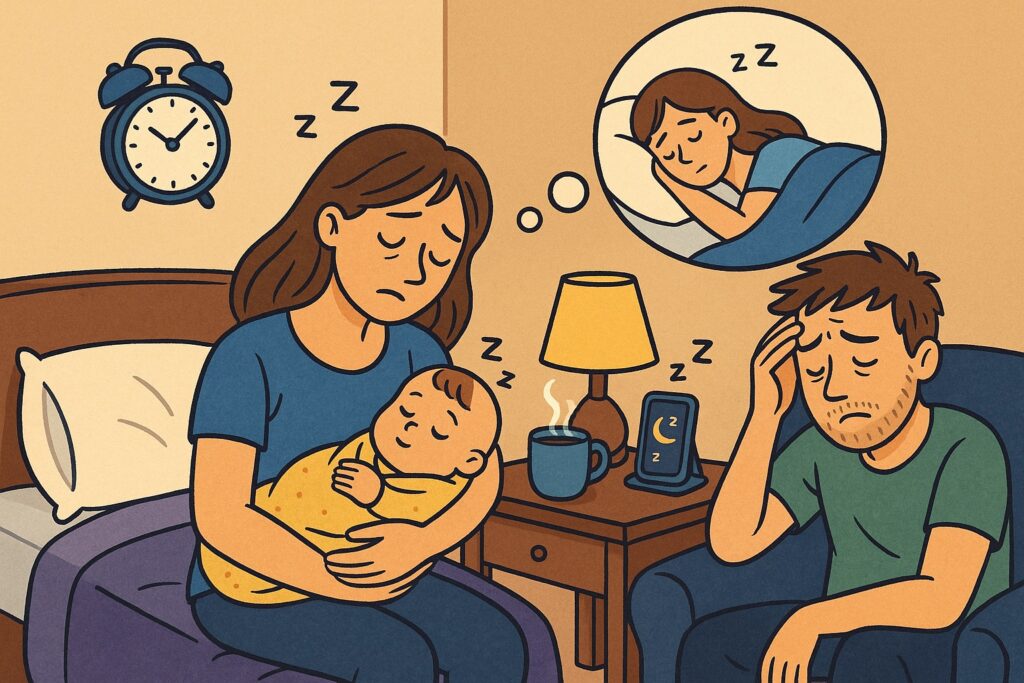
How to Manage Sleep Deprivation as a New Parent

Let’s be honest — nothing truly prepares you for the sleepless nights that follow bringing your baby home. Whether you’re navigating the cries of a hungry newborn at 2 a.m. or feeling like a walking zombie by noon, you’re far from alone. Sleep deprivation isn’t just a part of early parenthood — for many, it becomes a defining feature.

But that doesn’t mean you have to suffer through it blindly. While those long nights are unavoidable in the beginning, there are healthy ways to manage the exhaustion and stay functional (and even optimistic) during this challenging chapter.

How to Manage Sleep Deprivation as a New Parent

Why You’re So Exhausted — And It’s Not Just About Night Feeds

Sleep deprivation in new parents doesn’t only come from nighttime wake-ups. It’s the constant mental load. You’re feeding, changing, rocking, worrying, and doing it all on repeat with no clear finish line in sight. Even when you do lie down, your brain might still be wired — replaying the day, listening for cries, or wondering if your baby is breathing.

You’re dealing with fragmented sleep, hormonal changes, and a complete shift in identity — all at once. That’s a heavy load for anyone.


What Sleep Deprivation Does to You (That You Might Not Realize)

Sure, you’re tired. But there’s more going on beneath the surface. Prolonged lack of sleep can lead to:

  • Mood swings or even rage episodes
  • Difficulty concentrating or making decisions
  • Lowered immunity (hello, recurring colds)
  • Heightened anxiety or signs of postpartum depression
  • A shorter fuse with your partner, family, or even your baby

If you feel more forgetful, foggy, or emotional than usual — you’re not imagining things. Your brain is literally struggling to function under sleep debt.


How to Cope: 12 Tips That Truly Help Tired Parents

Let’s skip the generic advice and get into strategies that real parents swear by. These aren’t magic fixes, but small, intentional actions that make the tough days more manageable.

1. Sleep When You Can — Not Just When the Baby Sleeps

Yes, the “sleep when the baby sleeps” advice can feel unrealistic. But think of it this way: Even 20–30 minutes of shuteye during the day can offset the fog. Don’t use baby nap time to fold laundry. Close your eyes. Even resting without sleeping gives your body a break.

2. Take Turns (Seriously)

If you have a partner, work out a system. Whether it’s alternating night shifts or splitting the week into early and late duties, give each other blocks of uninterrupted sleep. If you’re solo parenting, ask a trusted friend or relative to help, even just once a week, so you can catch a longer rest.

3. Let Go of the Superhero Mentality

This is not the time to do everything. Dishes can wait. Floors don’t need to sparkle. You don’t need to cook from scratch. Lower the bar and give yourself permission to just survive for now.

4. Accept Help — Even If It Feels Weird

People offer help because they care. If someone offers to babysit, bring a meal, or run an errand, say yes. Letting go of control isn’t weakness — it’s survival strategy.

5. Create a Sleep-Friendly Environment (for You)

While baby’s nursery may be perfect, don’t forget your own space. Block out light, keep electronics away from the bed, and use white noise to drown out background sounds. Even short naps feel more restful in a calm, dark room.

6. Stop Scrolling Before Bed

It’s tempting to scroll Instagram while you’re feeding or rocking the baby, but blue light messes with your melatonin levels. Replace it with something calmer — a podcast, an audiobook, or even silence.

7. Embrace the Power Nap

If you can’t get long stretches of sleep, aim for quality over quantity. A solid 25-minute nap during the day can leave you more refreshed than tossing and turning for an hour. Set a timer, close your eyes, and don’t feel guilty about it.

8. Eat Foods That Fuel You

Your body needs real nourishment now more than ever. Go for foods that stabilize blood sugar — oats, fruit, healthy fats like peanut butter or avocado, and lean plant-based proteins. Limit sugary snacks that spike and crash your energy.

9. Hydration Helps More Than You Think

Especially if you’re breastfeeding, dehydration can deepen fatigue. Keep water within reach, especially during night feeds. Add a slice of lemon or cucumber to make it easier to sip regularly.

10. Keep a Journal or Mental Tracker

Sometimes, the days blur together and you feel like you’re not doing anything right. Keeping a simple note of feedings, naps, or even one “win” from the day can help ground you — and give you perspective that this tough phase is just that: a phase.

11. Monitor Your Mood

Sleep deprivation and postpartum depression often overlap. If you find yourself crying frequently, feeling disconnected from your baby, or having intrusive thoughts, it’s time to check in with a professional. There’s no shame in needing support — in fact, it’s incredibly brave.

12. Know That It Will Get Better

It might not feel like it now, but babies eventually sleep longer, and the clouds lift. Sleep regression phases come and go, and you will find rhythm again. You won’t always be this tired. That’s a promise.


Should You Talk to a Doctor or Sleep Specialist?

If you’re getting 3–4 hours a night for weeks and nothing helps, or your mental health is declining, reach out. Whether it’s a lactation consultant, a postpartum therapist, or a sleep coach, you deserve support that’s tailored to your family’s needs.

Your well-being is just as important as your baby’s.

source: Bridget Teyler

Surviving the Fog with Grace (and Coffee)

There’s no perfect way to navigate the sleep deprivation that comes with a new baby. Some nights will be easier, others will leave you in tears. That’s okay.

The important thing is to give yourself grace. Rest where you can, ask for help when you need it, and remember — you’re doing something extraordinary. Even if your eyes are half open and your coffee’s gone cold.

You’re not just surviving; you’re parenting through one of the most exhausting — yet beautiful — times of your life.

The written content on this page was generated by ChatGPT.
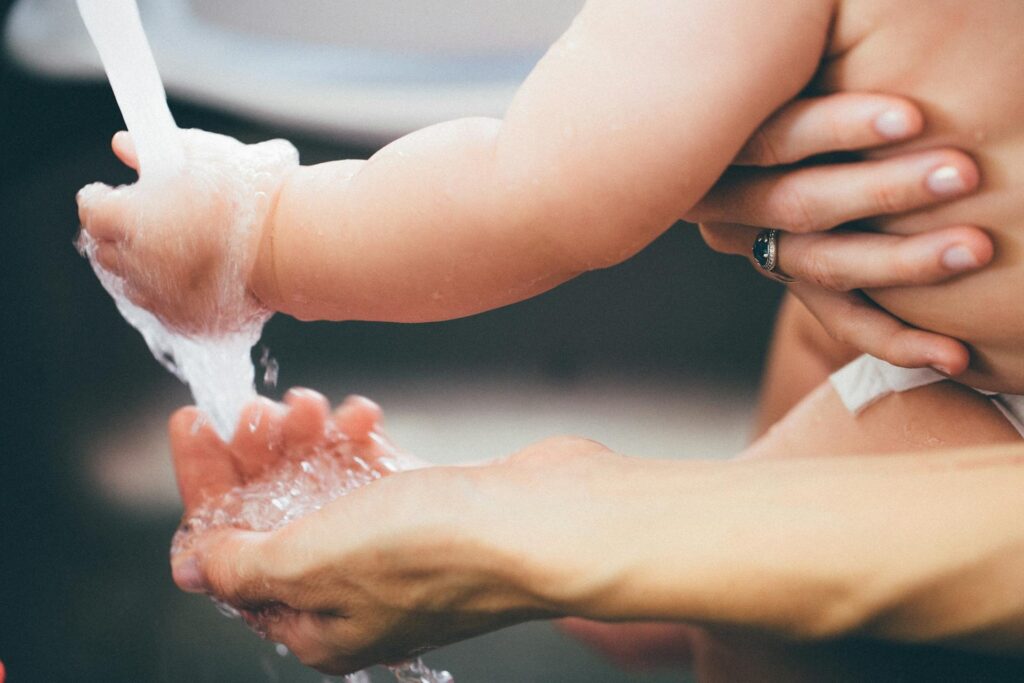
Best Baby Hygiene Practices: Keeping Your Baby Clean and Healthy

As a parent, keeping your baby clean and healthy is one of your top priorities. Babies have delicate skin and developing immune systems, making proper hygiene essential for their well-being. From bathing and diaper changes to oral care and environmental cleanliness, every little step contributes to their overall health. But with so much advice available, how do you know what’s truly best for your baby? This guide will walk you through essential baby hygiene practices to help you create a safe and nurturing environment for your little one.

Best Baby Hygiene Practices: Keeping Your Baby Clean and Healthy
source: pexels.com/@coco-hache-243771110/

1. Bathing Your Baby the Right Way

Bathing is more than just keeping your baby clean—it’s also an opportunity for bonding and relaxation. However, newborns don’t require daily baths, and excessive washing can strip their skin of natural oils.

How Often Should You Bathe Your Baby?

Newborns do not need daily baths. Two to three times a week is sufficient, as excessive bathing can dry out their sensitive skin. However, regular sponge baths and cleaning specific areas like the face, hands, and diaper area daily are important.

Best Practices for Baby Bath Time

  • Use lukewarm water (about 100°F or 37°C) to avoid burns or chills.
  • Choose a mild, fragrance-free baby soap to prevent skin irritation.
  • Support your baby’s head and neck properly when washing.
  • Gently clean folds and creases in the skin where dirt and moisture accumulate.
  • Dry your baby thoroughly, especially in skin creases, to prevent rashes.
  • Apply a mild, baby-safe moisturizer to keep their skin hydrated.

2. Keeping the Diaper Area Clean and Rash-Free

Babies go through several diapers a day, and improper diaper hygiene can lead to irritation and rashes. Ensuring a clean and dry diaper area is crucial for your baby’s comfort and skin health.

Diaper Changing Basics

Changing your baby’s diaper frequently is crucial in maintaining hygiene and preventing rashes. Here’s how to do it right:

  • Change diapers every 2-3 hours or immediately after soiling.
  • Use fragrance-free, alcohol-free wipes or warm water with a soft cloth.
  • Allow the diaper area to air dry before putting on a fresh diaper.
  • Apply a diaper cream with zinc oxide to prevent diaper rash.
  • Choose breathable, hypoallergenic diapers to minimize irritation.

3. Proper Hand and Face Cleaning

Babies love to explore the world with their hands and mouths, making hand and face hygiene an important daily routine.

Hand Hygiene

Babies constantly put their hands in their mouths, so keeping them clean is important.

  • Wash your baby’s hands with mild soap and water before feeding and after diaper changes.
  • Use a damp, clean cloth to wipe their hands when soap and water are not available.
  • Keep your own hands clean before handling your baby to avoid transferring germs.

Face and Eye Care

  • Use a soft, damp cloth to clean your baby’s face daily.
  • Wipe their eyes gently with a clean cotton pad soaked in warm water, using a separate pad for each eye.
  • Keep baby’s nose clear by using a saline solution and a soft tissue to remove mucus.

4. Nail and Hair Hygiene

Babies’ nails grow quickly and can become sharp, leading to accidental scratches. Regular trimming and gentle scalp care help maintain overall hygiene.

Trimming Your Baby’s Nails

Babies’ nails grow fast and can become sharp, causing them to scratch themselves.

  • Trim nails once a week using baby nail clippers or a soft nail file.
  • Do it while your baby is sleeping or after a bath when the nails are softer.
  • Use rounded-edge clippers to prevent accidental cuts.

Caring for Your Baby’s Hair and Scalp

  • Wash your baby’s hair 1-2 times per week with a gentle baby shampoo.
  • If your baby has cradle cap, use a soft brush to loosen flakes and apply a small amount of baby oil before shampooing.

5. Oral Hygiene for Babies

Even before your baby has teeth, oral hygiene is important.

  • Wipe their gums with a soft, damp cloth after feedings.
  • Once teeth emerge, use a soft-bristled toothbrush with water (no toothpaste until age one).
  • Avoid putting your baby to sleep with a bottle to prevent tooth decay.

6. Keeping Baby’s Clothes and Bedding Clean

Washing Baby Clothes Safely

  • Use fragrance-free, hypoallergenic detergent.
  • Wash new clothes before the first wear to remove irritants.
  • Separate baby’s laundry from the rest of the household to avoid cross-contamination.

Bedding and Toys

  • Change crib sheets at least once a week or immediately after spills.
  • Wash soft toys regularly, especially those frequently chewed or touched.
  • Sterilize pacifiers and teething toys regularly using boiling water or a sterilizer.

7. Ensuring a Clean Environment

Keeping your baby’s surroundings clean is just as important as personal hygiene.

  • Regularly disinfect surfaces like changing tables, high chairs, and play areas.
  • Keep pets away from baby’s sleeping and eating areas.
  • Ensure proper air circulation to maintain a fresh, clean environment.
source: Mustela International

Following these baby hygiene practices will help keep your little one clean, comfortable, and healthy. While maintaining cleanliness is essential, avoid over-sanitizing, as mild exposure to germs can help build their immune system. By following these best practices, you can ensure your baby thrives in a safe and hygienic environment.

The written content on this page was generated by ChatGPT.