Bathing a newborn for the first time can be both exciting and nerve-wracking. As a new parent, you may wonder how to keep your baby clean while ensuring their safety and comfort. Newborns have delicate skin, a fragile body, and specific needs when it comes to hygiene. This guide will walk you through every step to help you confidently and safely bathe your little one.
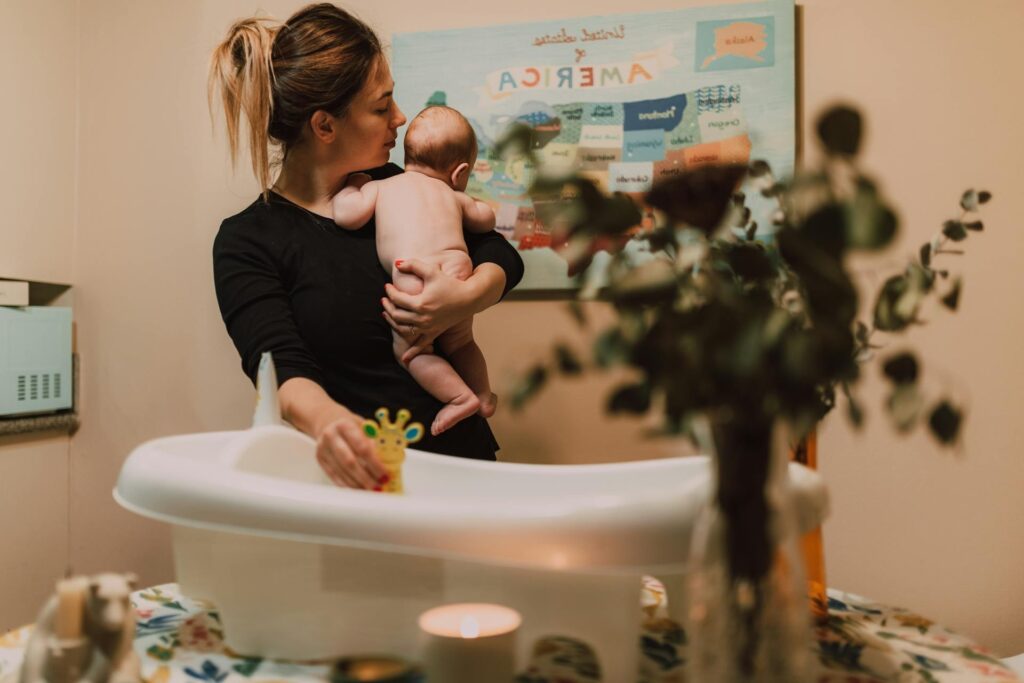
When to Start Bathing Your Newborn
Newborns don’t need daily baths. In fact, the World Health Organization (WHO) recommends waiting at least 24 hours after birth before giving your baby their first bath. Until the umbilical cord stump falls off (usually within 1-3 weeks), it’s best to stick with sponge baths to keep them clean while preventing infections.
Once the umbilical cord has healed, you can start giving your baby a bath two to three times a week. Overbathing can dry out their sensitive skin, so it’s important to keep a balance.
What You’ll Need for a Safe Baby Bath
Before starting the bath, gather all necessary items to avoid leaving your baby unattended:
- Baby bathtub or sink (lined with a soft towel for comfort)
- Lukewarm water (around 98.6°F or 37°C)
- Mild, fragrance-free baby soap
- Soft washcloth
- Cup or small pitcher for rinsing
- Clean towel (preferably hooded for warmth)
- Fresh diaper and clean clothes
- Baby lotion or oil (optional, for moisturizing)
Step-by-Step Guide to Bathing Your Newborn
1. Prepare the Bath Area
- Choose a warm, draft-free room with a comfortable surface for drying your baby afterward.
- Fill the baby bathtub or sink with about 2 inches of lukewarm water. Test the temperature with your wrist or elbow; it should feel warm but not hot.
2. Undress Your Baby and Gently Clean the Face
- Lay your baby on a safe, flat surface and undress them, leaving the diaper on.
- Use a damp washcloth to gently wipe their eyes, nose, and mouth with separate corners of the cloth to prevent spreading bacteria.
- Clean behind the ears and under the chin where milk and moisture can collect.
3. Wash the Hair and Scalp
- Support your baby’s head with one hand and gently wet their hair using a cup or damp washcloth.
- Apply a tiny amount of mild baby shampoo and massage their scalp with your fingertips.
- Rinse carefully, ensuring no water drips into their eyes.
4. Gently Wash the Body
- Remove the diaper and clean the diaper area thoroughly.
- Lower your baby feet-first into the tub while supporting their head and neck.
- Use a soft washcloth to clean their arms, chest, belly, legs, and back.
- Pay special attention to skin folds, behind the knees, and under the arms where dirt can accumulate.
5. Rinse and Dry Your Baby
- Use a cup of clean water to rinse off any soap residue.
- Lift your baby carefully out of the water and wrap them in a soft towel, patting (not rubbing) them dry.
6. Moisturize and Dress Your Baby
- If your baby has dry skin, apply a fragrance-free baby lotion to lock in moisture.
- Dress them in a clean diaper and comfortable clothes to keep them warm.
Additional Safety Tips
- Never leave your baby unattended in the bath, even for a second.
- Always support their head and neck, as newborns lack head control.
- Use a non-slip mat or towel in the tub to prevent slipping.
- Keep bath time short (5-10 minutes) to avoid overexposure to water.
- Check water temperature before every bath to prevent burns.
Bathing your newborn can be a special bonding experience when done correctly. By following this step-by-step guide, you can ensure your baby stays clean, safe, and comfortable. With time and practice, you’ll gain confidence, making bath time an enjoyable routine for both you and your little one.
Would you like to learn more baby care tips? Browse our blog for expert parenting advice!
The written content on this page was generated by ChatGPT.